TAYLOREDTEACHINGS
  • World History
    • World History Honors
    • Unit 1: (1200-1450) - State Building in the Global Tapestry
    • Unit 2: (1200-1450) - Networks of Exchange
    • Unit 3: (1450-1750) - Land-Based Empires
    • Unit 4: (1450-1750) - Sea of Exploration
    • Unit 5: (1750-1900) - Revolutions
    • Unit 6: (1750-1900) - Imperial Migration
    • Unit 7: (1900-present) - Global Conflicts
    • Unit 8: (1900-present) - Cold War & Decolonization
    • Unit 9: (1900-present) - Globalization
  • Civic Literacy
    • Governmental Figures
    • Unit 0 - Civics and Citizenship
    • Unit 1 - Legistlative Branch
    • Unit 2 - Executive Branch
    • Unit 3 - Judicial Branch
    • Unit 4 - Liberty & Justice for All
    • Unit 5 - State and Local Government
    • Unit 6 - Seeds of Rebellion
    • Unit 7 - The Young Republic
  • AP
    • AP World History >
      • Unit 1: (1200-1450) - State Building in the Global Tapestry
      • Unit 2: (1200-1450) - Networks of Exchange
      • Unit 3: (1450-1750) - Land-Based Empires
      • Unit 4: (1450-1750) - Transoceanic Interconnections
      • Unit 5: (1750-1900) - Revolutions
      • Unit 6: (1750-1900) - Imperial Migration
      • Unit 7: (1900-present) - Global Conflicts
      • Unit 8: (1900-present) - Cold War & Decolonization
      • Unit 9: (1900-present) - Globalization
    • AP European History >
      • Unit I - The Rise of Europe
      • Unit II - Rebirth and Exploration
      • Unit III - A Fractured Faith
      • Unit IV - A Question of Sovereignty
      • Unit V - A Shifting Society
      • Unit VI - Revolution
      • Unit VII - Political Turmoil
      • Unit VIII - Rise of the Nation-State
      • Unit IX - Forging the Modern Era
      • Unit X - Imperialism and the Great War
      • Unit XI - Global Conflicts
      • Unit XII - The Long Peace
  • American History
    • American History Honors >
      • Map Test
    • Unit 0: (1763 - 1800) - Revolutionary America
    • Unit 1: (1800 - 1848) - Expansion & Reform
    • Unit 2: (1824 - 1861) - A Nation Divided
    • Unit 3: (1861 - 1877) - Civil War & Rebirth
    • Unit 4: (1865 - 1898) - Gilded Dreams
    • Unit 5: (1890 - 1920) - The American Ascent
    • Unit 6: (1920 - 1945) - Roaring to Warring
    • Unit 7: (1945 - 1963) - Peace & Paranoia
    • Unit 8: (1955 - 1980) - The Fight for Justice
    • Unit 9: (1980-present) - Modern America
  • Western Civilization
    • Unit I: (prehistory-330BC) - Origins
    • Unit II (2700 - 323B.C.) - Classical Antiquity
    • Unit III (509BC - 476) - The Dream that was Rome
    • Unit IV (476 - 1216) - The Age of Faith
    • Unit V (1095 - 1492) - Crossroads of Catastrophe
    • Unit VI (1350 - 1620) - Into the Unknown
    • Unit VII (1517 - 1776) - Crisis of Faith
    • Unit VIII (1756 - 1815) - Revolution!
    • Unit IX (1769-1914) - Engineering of Empires
    • Unit X (1914 - 1920) - The Great War
    • Unit XI (1920 - 1945) - Twilight of Empires: A World at War
    • Unit XII (1945 - present) - Cold War & Globalization
Picture

Expansion & Reform

1800 
Picture
1848
“The boisterous sea of liberty is never without a wave.” – Thomas Jefferson
Picture
People to Know
Picture
Quizlet™ Vocabulary
Picture
Picture
Wayground™ Quizzes
Picture
Unit Guide

Picture
KEY EVENTS
  • ​First Political Parties
  • Alien & Sedition Acts
  • Revolution of 1800
  • Marbury v. Madison
  • Louisiana Purchase
Picture
Picture

1.1 ERA OF JEFFERSON

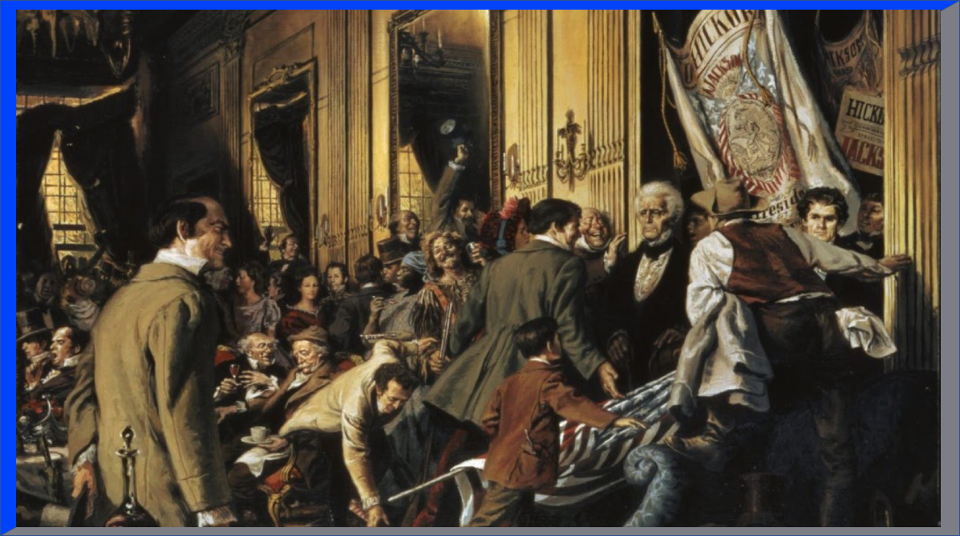
Washington’s warning of political parties went unheard as partisan politics became sectional divides in the presidential election of 1796 as the Federalists in New England backed Adams and the Democrat-Republicans in the South backed Jefferson. 
Picture
Notes
Picture
Visual Aids
Picture
Documents
Picture
Media
Assignment

Picture
KEY TOPICS
  • ​War of 1812
  • Hartford Convention
  • nationalism
  • American System
  • Missouri Compromise
Picture
Student
​Notes
Picture

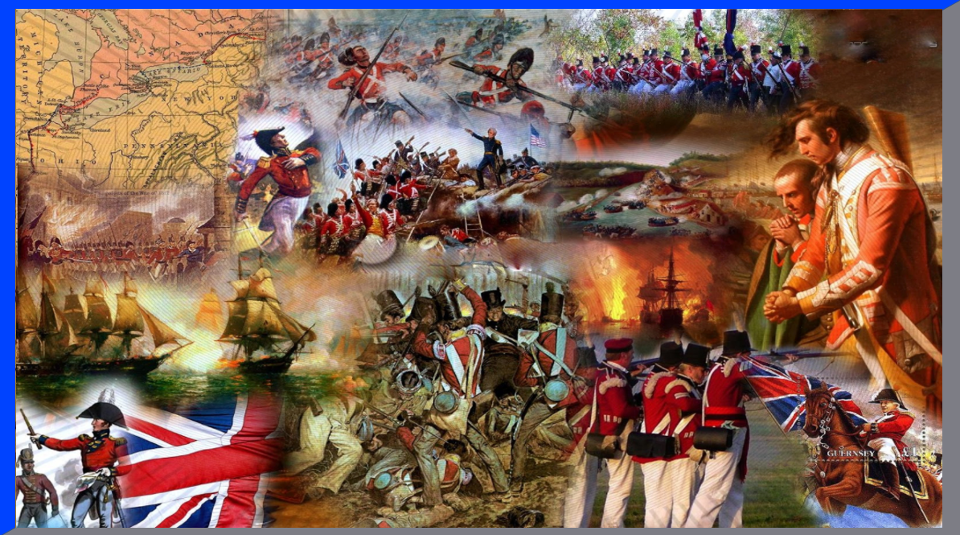
1.2 WARRING SECTIONALISM

A 20 year problem with no peaceful solution puts American shipping in the middle and at risk leading to war.  Following the war, regional political interests began to collide with national political interests leading to conflict within the nation and debates on the role of government.​
Picture
Notes
Picture
Visual Aids
Picture
Documents
Picture
Media

Picture
KEY TOPICS​​
  • Seminole Wars
  • Monroe Doctrine
  • Panic of 1819
  • Election of 1824/"corrupt bargain"
  • McCulloch v. Maryland
Picture
Student
​Notes
Picture

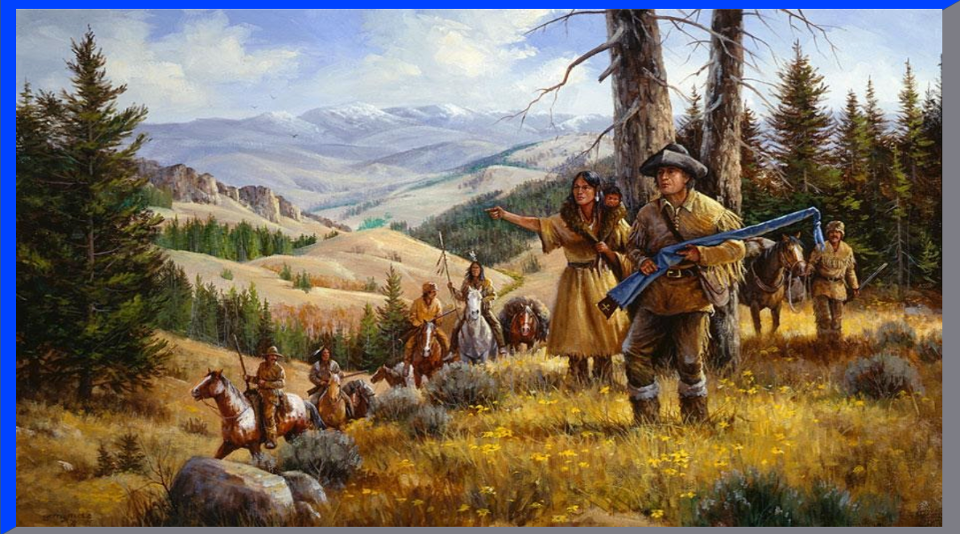
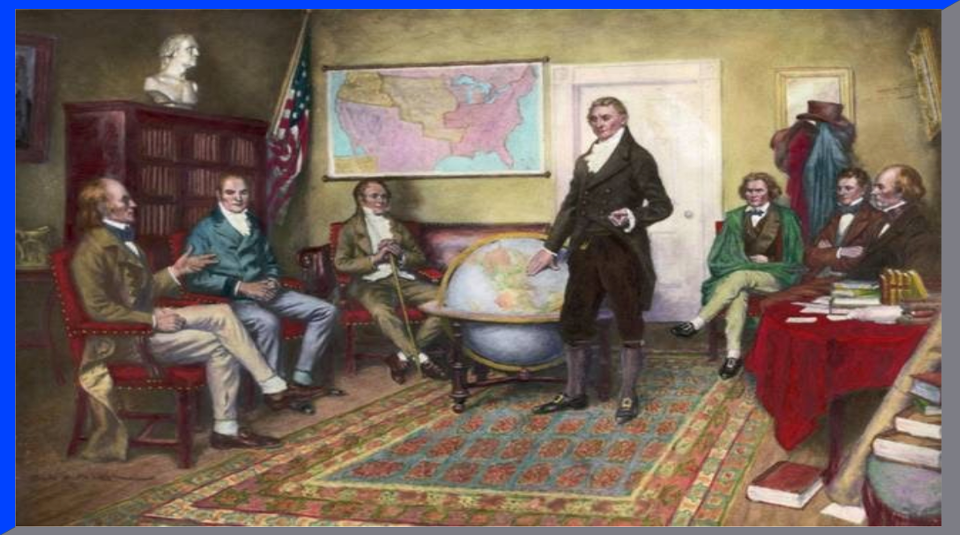
1.3 AMERICAN EXPANSION

As America developed and expanded westward as a nation, it’s foreign policy also began to develop and expand with it.  Overtime this would lead to more and more internal problems for the young republic suffering from its growing pains
Picture
Notes
Picture
Visual Aids
Picture
Documents
Picture
Media
Assignment

Picture
KEY EVENTS
  • Market Revolution
  • transportation innovations
  • interchangeable parts
  • nativism
  • ​cult of domesticity
Picture
Student
​Notes
Picture

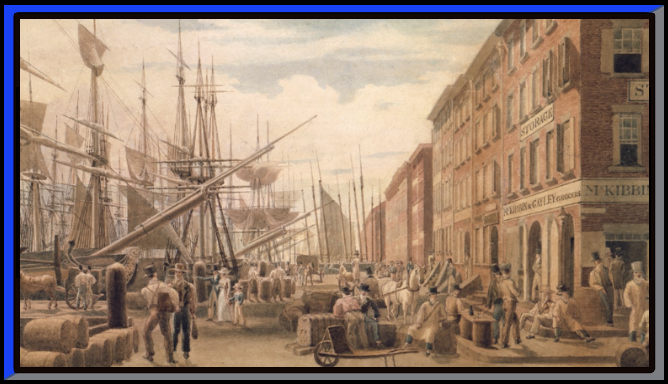
1.4 THE MARKET REVOLUTION

In the first half of the 1800s, the textile boom in northern industries linked with an agriculture explosion in southern and western farms created by advances in agriculture, industry and transportation known as the Market Revolution that began the shift in the American economy from an agrarian society to a more capitalist society.
Picture
Notes
Picture
Visual Aids
Picture
Documents
Picture
Media
Assignment

Picture
KEY EVENTS
  • transcendentalism
  • Hudson River School
  • neoclassicism
  • Second Great Awakening
  • ​utopian communities
Student
​Notes
Picture

1.5 THE AMERICAN RENAISSANCE

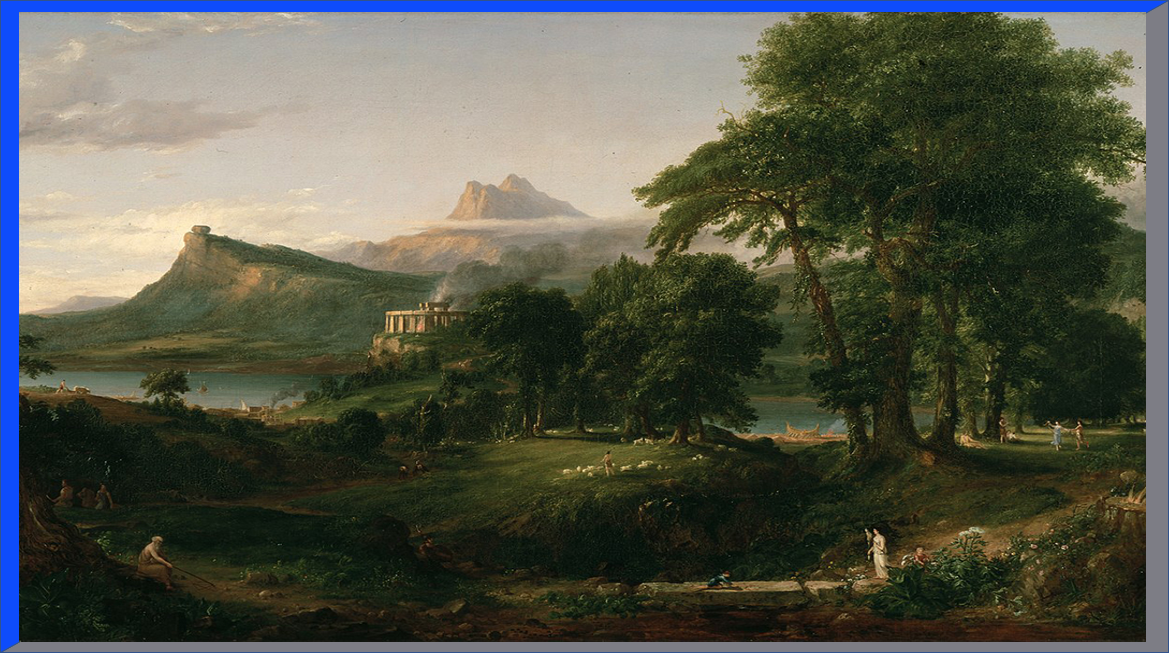
From the dawn of the young republic, American art had lived in the shadow of European dominance with the Americas having little to no original ideas of art that could be called their own.  That began to change in the era of the 1820s-1840s that has been called the American Renaissance.
Picture
Notes
Picture
Visual Aids
Picture
Documents
Picture
Media
Assignment

Picture
KEY EVENTS
  • Mormons
  • temperance
  • abolition
  • women's rights
  • ​Seneca Falls Convention
Picture
Student
​Notes
Picture

1.6 AGE OF REFORM

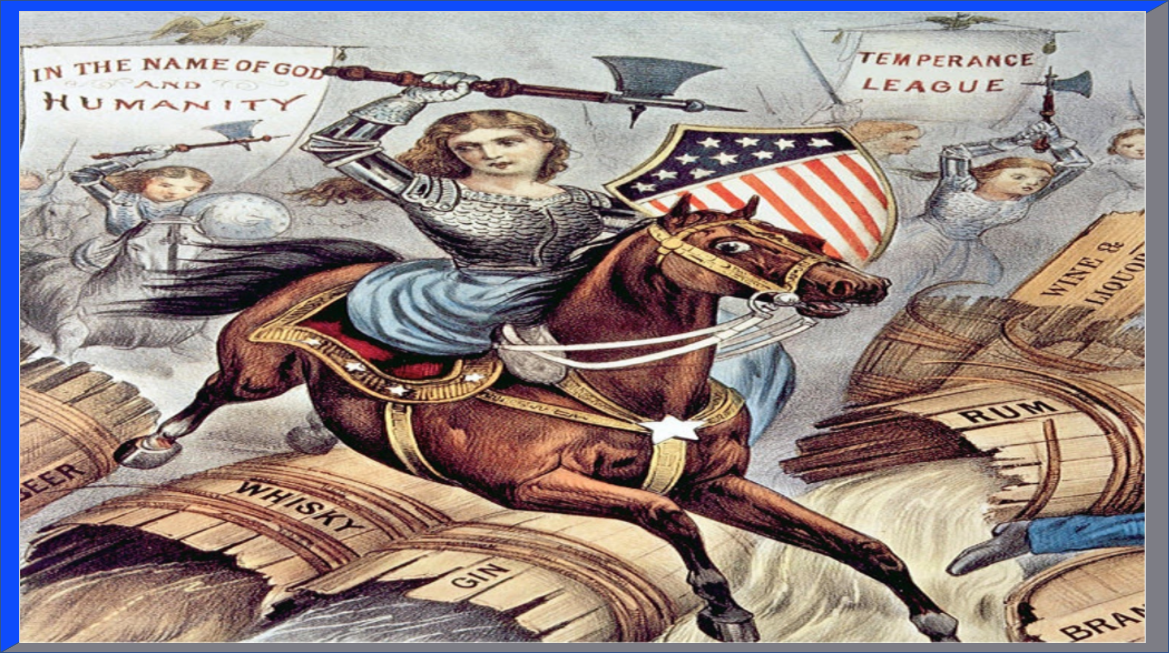
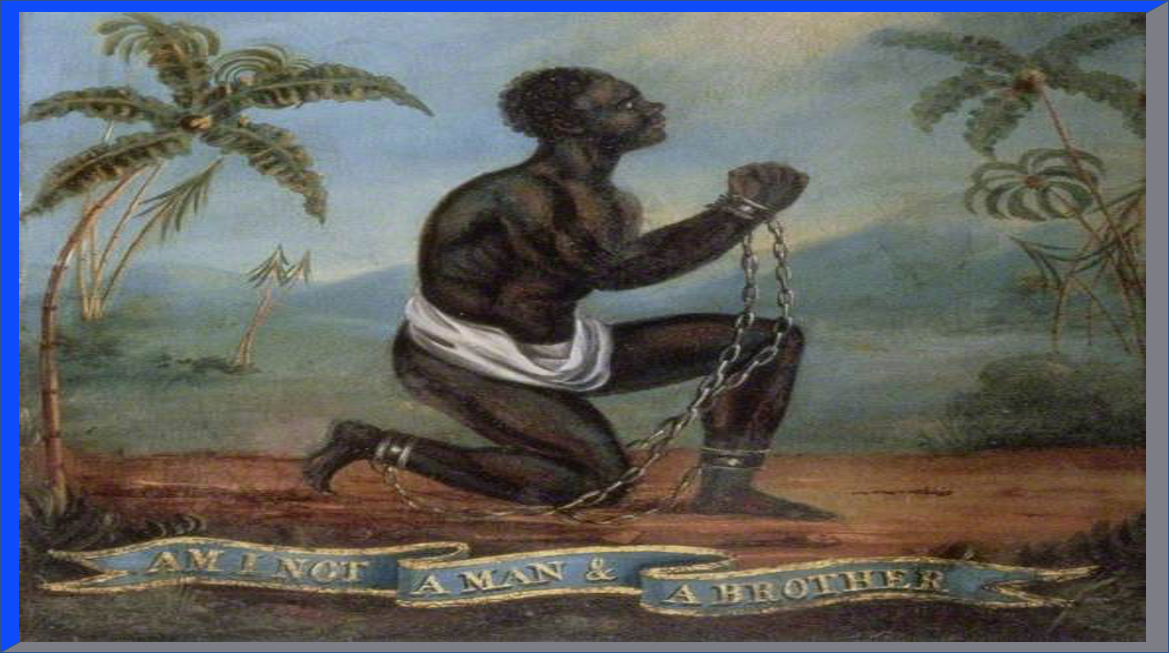
The changes brought by the Market Revolution revealed to many that hard work led to economic improvement and with more people having access to the democratic process, felt that they could now impact society and reform their nation in four major ways: religion, temperance, abolition, and women's rights.
Picture
Notes
Picture
Visual Aids
Picture
Documents
Picture
Media
Any and all images or media belong to their respective copyright holders and are used here for non-profit educational purposes in accordance with Fair Use Copyright laws. All other rights regarding content are reserved
Picture
  • World History
    • World History Honors
    • Unit 1: (1200-1450) - State Building in the Global Tapestry
    • Unit 2: (1200-1450) - Networks of Exchange
    • Unit 3: (1450-1750) - Land-Based Empires
    • Unit 4: (1450-1750) - Sea of Exploration
    • Unit 5: (1750-1900) - Revolutions
    • Unit 6: (1750-1900) - Imperial Migration
    • Unit 7: (1900-present) - Global Conflicts
    • Unit 8: (1900-present) - Cold War & Decolonization
    • Unit 9: (1900-present) - Globalization
  • Civic Literacy
    • Governmental Figures
    • Unit 0 - Civics and Citizenship
    • Unit 1 - Legistlative Branch
    • Unit 2 - Executive Branch
    • Unit 3 - Judicial Branch
    • Unit 4 - Liberty & Justice for All
    • Unit 5 - State and Local Government
    • Unit 6 - Seeds of Rebellion
    • Unit 7 - The Young Republic
  • AP
    • AP World History >
      • Unit 1: (1200-1450) - State Building in the Global Tapestry
      • Unit 2: (1200-1450) - Networks of Exchange
      • Unit 3: (1450-1750) - Land-Based Empires
      • Unit 4: (1450-1750) - Transoceanic Interconnections
      • Unit 5: (1750-1900) - Revolutions
      • Unit 6: (1750-1900) - Imperial Migration
      • Unit 7: (1900-present) - Global Conflicts
      • Unit 8: (1900-present) - Cold War & Decolonization
      • Unit 9: (1900-present) - Globalization
    • AP European History >
      • Unit I - The Rise of Europe
      • Unit II - Rebirth and Exploration
      • Unit III - A Fractured Faith
      • Unit IV - A Question of Sovereignty
      • Unit V - A Shifting Society
      • Unit VI - Revolution
      • Unit VII - Political Turmoil
      • Unit VIII - Rise of the Nation-State
      • Unit IX - Forging the Modern Era
      • Unit X - Imperialism and the Great War
      • Unit XI - Global Conflicts
      • Unit XII - The Long Peace
  • American History
    • American History Honors >
      • Map Test
    • Unit 0: (1763 - 1800) - Revolutionary America
    • Unit 1: (1800 - 1848) - Expansion & Reform
    • Unit 2: (1824 - 1861) - A Nation Divided
    • Unit 3: (1861 - 1877) - Civil War & Rebirth
    • Unit 4: (1865 - 1898) - Gilded Dreams
    • Unit 5: (1890 - 1920) - The American Ascent
    • Unit 6: (1920 - 1945) - Roaring to Warring
    • Unit 7: (1945 - 1963) - Peace & Paranoia
    • Unit 8: (1955 - 1980) - The Fight for Justice
    • Unit 9: (1980-present) - Modern America
  • Western Civilization
    • Unit I: (prehistory-330BC) - Origins
    • Unit II (2700 - 323B.C.) - Classical Antiquity
    • Unit III (509BC - 476) - The Dream that was Rome
    • Unit IV (476 - 1216) - The Age of Faith
    • Unit V (1095 - 1492) - Crossroads of Catastrophe
    • Unit VI (1350 - 1620) - Into the Unknown
    • Unit VII (1517 - 1776) - Crisis of Faith
    • Unit VIII (1756 - 1815) - Revolution!
    • Unit IX (1769-1914) - Engineering of Empires
    • Unit X (1914 - 1920) - The Great War
    • Unit XI (1920 - 1945) - Twilight of Empires: A World at War
    • Unit XII (1945 - present) - Cold War & Globalization