TAYLOREDTEACHINGS
  • World History
    • World History Honors
    • Unit 1: (1200-1450) - State Building in the Global Tapestry
    • Unit 2: (1200-1450) - Networks of Exchange
    • Unit 3: (1450-1750) - Land-Based Empires
    • Unit 4: (1450-1750) - Sea of Exploration
    • Unit 5: (1750-1900) - Revolutions
    • Unit 6: (1750-1900) - Imperial Migration
    • Unit 7: (1900-present) - Global Conflicts
    • Unit 8: (1900-present) - Cold War & Decolonization
    • Unit 9: (1900-present) - Globalization
  • Civic Literacy
    • Governmental Figures
    • Unit 0 - Civics and Citizenship
    • Unit 1 - Legistlative Branch
    • Unit 2 - Executive Branch
    • Unit 3 - Judicial Branch
    • Unit 4 - Liberty & Justice for All
    • Unit 5 - State and Local Government
    • Unit 6 - Seeds of Rebellion
    • Unit 7 - The Young Republic
  • AP
    • AP World History >
      • Unit 1: (1200-1450) - State Building in the Global Tapestry
      • Unit 2: (1200-1450) - Networks of Exchange
      • Unit 3: (1450-1750) - Land-Based Empires
      • Unit 4: (1450-1750) - Transoceanic Interconnections
      • Unit 5: (1750-1900) - Revolutions
      • Unit 6: (1750-1900) - Imperial Migration
      • Unit 7: (1900-present) - Global Conflicts
      • Unit 8: (1900-present) - Cold War & Decolonization
      • Unit 9: (1900-present) - Globalization
    • AP European History >
      • Unit I - The Rise of Europe
      • Unit II - Rebirth and Exploration
      • Unit III - A Fractured Faith
      • Unit IV - A Question of Sovereignty
      • Unit V - A Shifting Society
      • Unit VI - Revolution
      • Unit VII - Political Turmoil
      • Unit VIII - Rise of the Nation-State
      • Unit IX - Forging the Modern Era
      • Unit X - Imperialism and the Great War
      • Unit XI - Global Conflicts
      • Unit XII - The Long Peace
  • American History
    • American History Honors >
      • Map Test
    • Unit 0: (1763 - 1800) - Revolutionary America
    • Unit 1: (1800 - 1848) - Expansion & Reform
    • Unit 2: (1824 - 1861) - A Nation Divided
    • Unit 3: (1861 - 1877) - Civil War & Rebirth
    • Unit 4: (1865 - 1898) - Gilded Dreams
    • Unit 5: (1890 - 1920) - The American Ascent
    • Unit 6: (1920 - 1945) - Roaring to Warring
    • Unit 7: (1945 - 1963) - Peace & Paranoia
    • Unit 8: (1955 - 1980) - The Fight for Justice
    • Unit 9: (1980-present) - Modern America
  • Western Civilization
    • Unit I: (prehistory-330BC) - Origins
    • Unit II (2700 - 323B.C.) - Classical Antiquity
    • Unit III (509BC - 476) - The Dream that was Rome
    • Unit IV (476 - 1216) - The Age of Faith
    • Unit V (1095 - 1492) - Crossroads of Catastrophe
    • Unit VI (1350 - 1620) - Into the Unknown
    • Unit VII (1517 - 1776) - Crisis of Faith
    • Unit VIII (1756 - 1815) - Revolution!
    • Unit IX (1769-1914) - Engineering of Empires
    • Unit X (1914 - 1920) - The Great War
    • Unit XI (1920 - 1945) - Twilight of Empires: A World at War
    • Unit XII (1945 - present) - Cold War & Globalization
Picture

Networks of Exchange

1200
Picture
1450
Economic activity along existing trade routes increase  in volume and scope thanks to the rise of powerful states and empires that produce new trading cities that emerge across Africa and Eurasia.

Picture
People to Know
Picture
Quizlet™ Vocabulary
Picture
Picture
Wayground™ Quizzes
Picture
Review


Picture
NEED TO KNOW
  • Silk Roads
  • caravans
  • Indian Ocean trade
  • monsoons
  • Trans-Saharan trade 
Picture

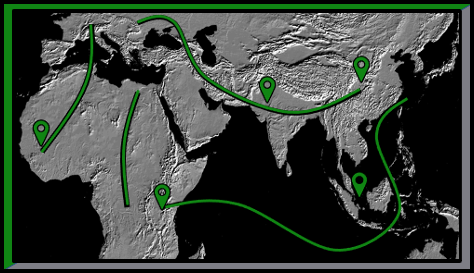
2.1 SILK, SEA & SAND: TRADE ROUTES

Thanks to the establishment of stable empires throughout Afro-Eurasia, major trade routes flourish bringing more than just goods and economic property to the regions connected by these trade routes.
Picture
The Story
Picture
Visual Aids
Picture
Documents
Picture
Videos

Picture
NEED TO KNOW​
  • Genghis Khan​
  • Golden Horde
  • Sack of Baghdad
  • Kublai Khan
  • Yuan Dynasty
Picture

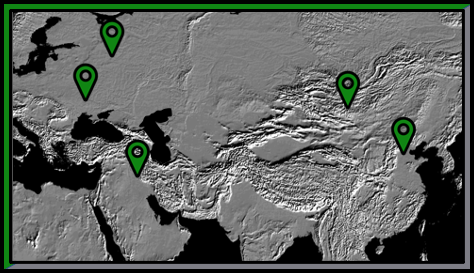
2.2 THE MONGOL EMPIRE

The Mongols would play a vital part in connecting Eurasian trade, culture, technology and centralized authority by expanding their empire into the largest continuous land empire in history.
Picture
The Story
Picture
Visual Aids
Picture
Documents
Picture
Videos

Picture
NEED TO KNOW
  • syncretism
  • Swahili 
  • Marco Polo
  • Ibn Battuta
  • technological effects
Picture

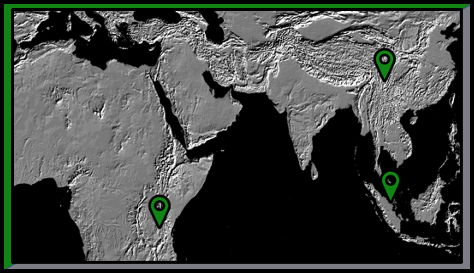
2.3 CULTURAL CONSEQUENCES OF CONNECTIVITY

As trade routes connected large states with each other throughout AfroEurasia, more than just trade goods were being exchanged.  Along these routes, cultural diffusion was happening resulting in syncretism of religions, languages, cultures, & new technology.
Picture
The Story
Picture
Visual Aids
Picture
Documents
Picture
Videos

Picture
NEED TO KNOW
  • Champa rice
  • yams/bananas/sugar
  • trade routes
  • Black Death
  • effects of the Black Death
Picture

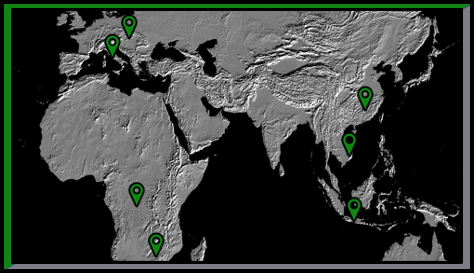
2.4 ENVIRONMENTAL CONSEQUENCES OF CONNECTIVITY

The environment affects human societies, and as populations grow and change, they in turn affect their environments. The cultural diffusion that affected the world during the 1200-1450s also occurred environmentally leading to positive and negative consequences.
Picture
The Story
Picture
Visual Aids
Picture
Documents
Picture
Videos
Any and all images or media belong to their respective copyright holders and are used here for non-profit educational purposes in accordance with Fair Use Copyright laws. All other rights regarding content are reserved
Picture
  • World History
    • World History Honors
    • Unit 1: (1200-1450) - State Building in the Global Tapestry
    • Unit 2: (1200-1450) - Networks of Exchange
    • Unit 3: (1450-1750) - Land-Based Empires
    • Unit 4: (1450-1750) - Sea of Exploration
    • Unit 5: (1750-1900) - Revolutions
    • Unit 6: (1750-1900) - Imperial Migration
    • Unit 7: (1900-present) - Global Conflicts
    • Unit 8: (1900-present) - Cold War & Decolonization
    • Unit 9: (1900-present) - Globalization
  • Civic Literacy
    • Governmental Figures
    • Unit 0 - Civics and Citizenship
    • Unit 1 - Legistlative Branch
    • Unit 2 - Executive Branch
    • Unit 3 - Judicial Branch
    • Unit 4 - Liberty & Justice for All
    • Unit 5 - State and Local Government
    • Unit 6 - Seeds of Rebellion
    • Unit 7 - The Young Republic
  • AP
    • AP World History >
      • Unit 1: (1200-1450) - State Building in the Global Tapestry
      • Unit 2: (1200-1450) - Networks of Exchange
      • Unit 3: (1450-1750) - Land-Based Empires
      • Unit 4: (1450-1750) - Transoceanic Interconnections
      • Unit 5: (1750-1900) - Revolutions
      • Unit 6: (1750-1900) - Imperial Migration
      • Unit 7: (1900-present) - Global Conflicts
      • Unit 8: (1900-present) - Cold War & Decolonization
      • Unit 9: (1900-present) - Globalization
    • AP European History >
      • Unit I - The Rise of Europe
      • Unit II - Rebirth and Exploration
      • Unit III - A Fractured Faith
      • Unit IV - A Question of Sovereignty
      • Unit V - A Shifting Society
      • Unit VI - Revolution
      • Unit VII - Political Turmoil
      • Unit VIII - Rise of the Nation-State
      • Unit IX - Forging the Modern Era
      • Unit X - Imperialism and the Great War
      • Unit XI - Global Conflicts
      • Unit XII - The Long Peace
  • American History
    • American History Honors >
      • Map Test
    • Unit 0: (1763 - 1800) - Revolutionary America
    • Unit 1: (1800 - 1848) - Expansion & Reform
    • Unit 2: (1824 - 1861) - A Nation Divided
    • Unit 3: (1861 - 1877) - Civil War & Rebirth
    • Unit 4: (1865 - 1898) - Gilded Dreams
    • Unit 5: (1890 - 1920) - The American Ascent
    • Unit 6: (1920 - 1945) - Roaring to Warring
    • Unit 7: (1945 - 1963) - Peace & Paranoia
    • Unit 8: (1955 - 1980) - The Fight for Justice
    • Unit 9: (1980-present) - Modern America
  • Western Civilization
    • Unit I: (prehistory-330BC) - Origins
    • Unit II (2700 - 323B.C.) - Classical Antiquity
    • Unit III (509BC - 476) - The Dream that was Rome
    • Unit IV (476 - 1216) - The Age of Faith
    • Unit V (1095 - 1492) - Crossroads of Catastrophe
    • Unit VI (1350 - 1620) - Into the Unknown
    • Unit VII (1517 - 1776) - Crisis of Faith
    • Unit VIII (1756 - 1815) - Revolution!
    • Unit IX (1769-1914) - Engineering of Empires
    • Unit X (1914 - 1920) - The Great War
    • Unit XI (1920 - 1945) - Twilight of Empires: A World at War
    • Unit XII (1945 - present) - Cold War & Globalization